
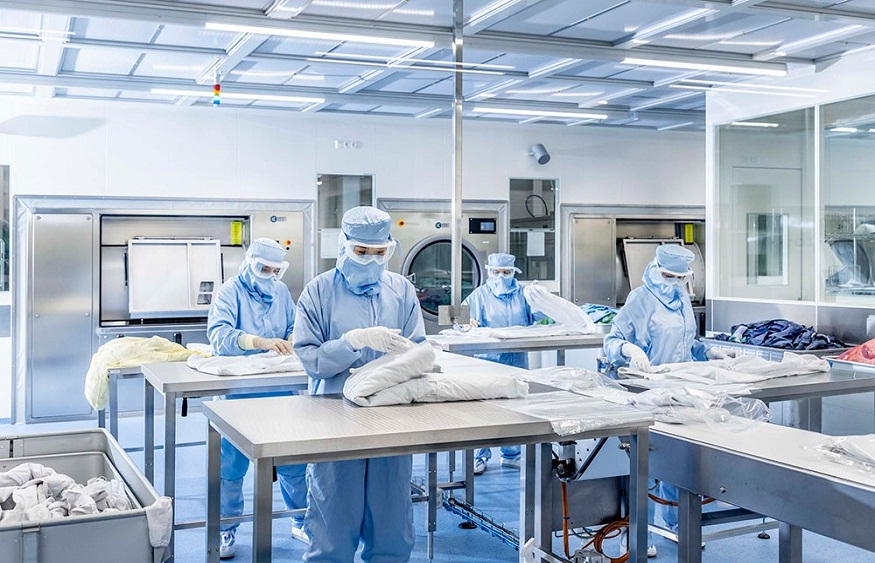
Maintaining a cleanroom environment is an exercise in meticulous control. While much of the focus naturally lands on HEPA filters and air pressure differentials, the management of specialized garments is equally critical. In high-stakes industries like pharmaceuticals, biotechnology, and semiconductor manufacturing, the laundry cycle for cleanroom apparel is not just about cleanliness; it is about risk mitigation and operational flow. The introduction of automated tracking systems has revolutionized this process, turning a complex logistical challenge into a streamlined, data-driven asset.
The Invisible Burden of Manual Tracking
Before the advent of automation, managing cleanroom laundry program was a labor-intensive task prone to human error. Facilities relied on manual counts, paper logs, and visual inspections to track the lifecycle of hoods, coveralls, and boots. This approach created significant blind spots. Items were frequently misplaced, and the lack of real-time data made it difficult to determine exactly how many times a garment had been processed. Since cleanroom fabrics have a finite lifespan and lose their integrity after a certain number of wash cycles, manual oversight often led to garments staying in rotation longer than is safe, risking particulate contamination in the sterile suite.
Read More : Rear Loader Garbage Truck Maintenance Guide
Real-Time Visibility Through RFID Technology
The backbone of modern automated tracking is Radio Frequency Identification (RFID) technology. By embedding small, durable RFID tags into the hem of each garment, facilities can monitor the movement of their inventory without direct line-of-sight scanning. As bags of soiled laundry leave the facility or fresh shipments arrive, scanners automatically record the data. This provides immediate visibility into inventory levels, ensuring that a facility never faces a shortage of sterile apparel. This real-time tracking eliminates the “buffer stock” mentality, where managers over-order supplies just to be safe, thereby reducing unnecessary capital expenditures.
Ensuring Compliance and Garment Integrity
Validation is the cornerstone of cleanroom operations. Automated systems provide a digital “birth-to-death” record for every individual piece of clothing. Each time a garment passes through the laundry facility, the system logs the specific wash formulas used and the number of sterilization cycles completed. This level of detail is invaluable during regulatory audits. Instead of sifting through stacks of paper logs, managers can generate reports that prove every garment in use is within its validated functional life. When a garment reaches its maximum number of washes, the system automatically flags it for decommissioning, ensuring that compromised fabrics never reach the cleanroom floor.
Optimizing the Supply Chain and Reducing Loss
Beyond compliance, automation addresses the persistent problem of garment loss. In a large-scale operation, hundreds of items move between the facility and the laundry provider weekly. Automated tracking holds all parties accountable. If the number of items sent out does not match the number returned, the system identifies exactly which units are missing. This data allows managers to identify patterns, such as specific shift changes or departments where items are frequently misplaced. By tightening these loops, companies can significantly lower their annual replacement costs and ensure a more predictable supply chain.
Data-Driven Decision Making
The true power of an automated laundry program lies in the analytics it produces. By examining the data collected over months of operation, facility managers can gain insights into usage patterns. They can see which sizes are in high demand, how quickly inventory turns over, and where bottlenecks occur in the gowning room. This information allows for leaner operations and more accurate budgeting. Instead of reacting to crises, the team can use historical data to anticipate needs, scaling their laundry program up or down based on actual production schedules rather than guesswork.
Read More : The Benefits of Hiring Local Cleaning Services in Charlotte, NC
Conclusion
Efficiency in a cleanroom environment is often measured by the absence of problems. A successful laundry program is one that functions so smoothly it becomes invisible to the daily operations of the laboratory or manufacturing floor. Automated tracking systems achieve this by replacing uncertainty with data. By improving inventory accuracy, ensuring strict adherence to safety protocols, and providing a clear audit trail, these systems allow organizations to focus on their core scientific and manufacturing goals. As cleanroom standards continue to evolve, the integration of smart tracking is no longer just a luxury; it is a fundamental component of a modern, high-functioning facility.