

Morning coffee is scalding at 8 AM. However, it is pleasantly warm an hour later. The little girl falls off her bike but finds it funny instead of getting upset. Your January heating bill is surprisingly low. Behind each small victory lurks the same unsung hero, though most folks would never guess what connects these random wins.
The Hidden Hero in Everyday Products
Expanded polystyrene sounds like chemistry homework. Call it EPS and eyes still glaze over. Yet this white squeaky foam pops up everywhere once you start looking. Steam puffs up tiny plastic beads until they stick together, trapping air in billions of tiny pockets. EPS lives inside walls keeping houses cozy. Factories shape it into protective gear. Restaurants depend on it for takeout containers.
Read More: Designing Components for Extreme Conditions
Why does everyone want a piece of this foam action? Physics, basically. Those trapped air bubbles hate letting heat pass through. The squishy structure eats impacts for breakfast. Water rolls off. Together, these tricks offer unparalleled problem-solving.
Keeping Things Hot, Cold, and Fresh
Your lo mein stays steaming in that squeaky white container for good reason. The foam plays thermal bodyguard during the journey from wok to your couch. Physics doesn’t care if you’re protecting soup or ice cream. EPS blocks temperature changes both ways.
Coffee shops figured this out first. Those often-criticized foam cups for lattes? It turns out those tiny air bubbles are great at stopping heat from getting out too quickly. Your fingers stay happy. Your coffee stays hot. Paper cups can’t compete. Plastic melts. Metal burns fingers. EPS just quietly does the job for pocket change.
Boston fish markets send lobsters to Vegas. Pharma companies ship temperature-sensitive drugs nationwide. Ice cream survives July deliveries. The secret? EPS coolers that weigh less than your laptop but keep ice frozen for days. Metal coolers weigh ten times more. Cardboard turns to mush. EPS shrugs and asks what else you got.
Safety That Doesn’t Break the Bank
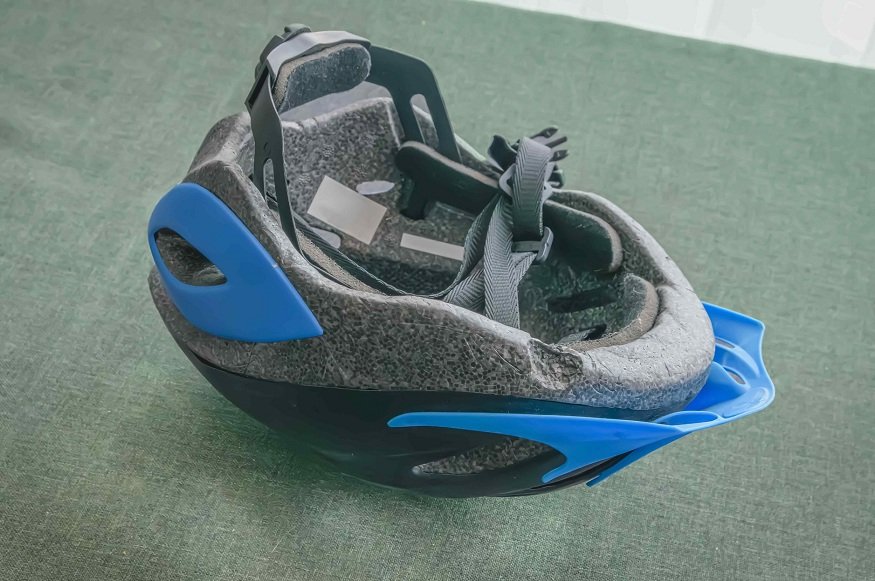
Bike helmets look simple until you crack one open. That foam inside catches flying skulls and says “Not today, concussion.” The EPS crushes itself to spread impact forces around instead of through. One crash ruins the helmet. That’s the whole point. Helmets are cheaper than brain surgery. Car companies caught on too. They stuff EPS everywhere passengers might hit during crashes. Doors, dashboards, bumpers. The foam hides out of sight, waiting to absorb energy that would otherwise rearrange your skeleton. Plus it weighs basically nothing, so cars get safer without guzzling extra gas. Win-win, unless you’re an oil company.
Read More: 3 Crucial Things Buy-to-Let Investors Need to Know About Mortgage Rate Strategy
Building Better Homes
Houses built today would blow your grandpa’s mind. Builders stack giant EPS blocks like LEGOs under concrete foundations. Moisture hits this foam wall and gives up. Meanwhile the blocks support entire houses without breaking a sweat. Walls get stuffed with EPS boards. Some builders go wild and make entire walls from hollow EPS forms they fill with concrete. Hurricanes bounce off. Termites starve. Energy bills shrink.
The best applications of EPS keep multiplying as manufacturers like Epsilyte push boundaries nobody knew existed. An architect sketches something crazy on Monday. Engineers prove it works by Wednesday. Friday brings another use for this foam that refuses to stay in its lane.
Conclusion
A coffee cup, bike helmet, and house foundation walk into a bar. Sounds like a bad joke until you realize they’re all made from the same stuff. EPS quietly revolutionizes random corners of life while nobody pays attention. Tomorrow you’ll grab hot coffee without thinking twice. Kids will crash bikes and bounce back up. Families will stay warm without going broke. The white squeaky foam makes it happen. Sometimes boring materials pull off the most interesting tricks.