

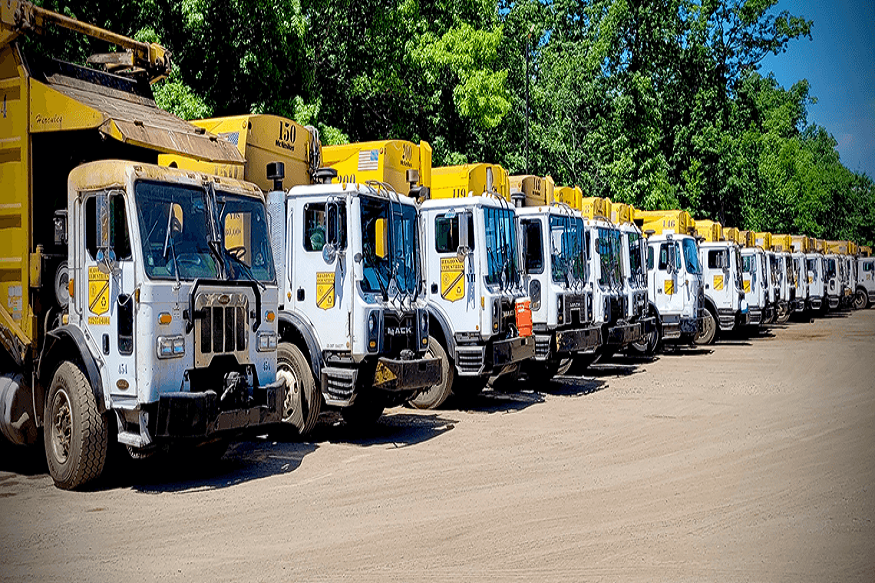
Rear loader garbage trucks are a vital component of municipal, commercial, and industrial waste collection. Regular maintenance ensures these trucks operate efficiently, remain safe for operators, and have a long service life. This guide covers all key maintenance areas, from daily checks to long-term service schedules, helping fleet managers and operators keep their trucks in optimal condition.
Daily Inspections and Pre-Operation Checks
Before starting a collection route, drivers should perform a daily inspection. This includes checking:
Read More : Hard Money: Lending on Different Standards, Not No Standards
- Fluid Levels: Engine oil, hydraulic fluid, transmission fluid, and coolant should be at recommended levels. Low fluids can lead to engine overheating or hydraulic failure.
- Tires: Inspect for proper inflation, tread wear, and damage. Underinflated or damaged tires reduce fuel efficiency and increase the risk of accidents.
- Lights and Signals: Ensure all headlights, brake lights, turn signals, and warning lights are working correctly.
- Safety Equipment: Test rear cameras, alarms, and emergency stop controls to verify they are functioning.
Daily checks prevent small problems from turning into major issues and improve overall safety during waste collection.
Engine and Powertrain Maintenance
The engine is the heart of a rear loader garbage truck, and proper care is essential:
- Oil and Filter Changes: Follow the manufacturer’s recommended schedule for oil and filter replacement. Fresh oil ensures smooth engine operation and prevents wear.
- Air and Fuel Filters: Replace regularly to maintain fuel efficiency and prevent contaminants from damaging engine components.
- Cooling System: Inspect hoses, belts, and coolant levels to avoid overheating, especially during heavy-duty routes.
- Transmission: Check fluid levels and look for leaks. Transmission maintenance ensures smooth gear shifts and reduces strain during stop-and-go collection routes.
Hydraulic System Care
Hydraulic systems power the compactor and rear loading mechanisms, making them critical to truck performance:
- Hydraulic Fluid Levels: Check daily and top up as necessary to maintain optimal compaction power.
- Hoses and Fittings: Inspect for leaks, cracks, or wear. Leaking hydraulics reduce efficiency and may pose safety hazards.
- Cylinders and Rams: Ensure smooth operation without unusual noises. Lubricate pivot points and inspect seals for wear.
- Filter Replacement: Hydraulic filters should be changed according to manufacturer recommendations to prevent contamination and system damage.
Compactor and Body Maintenance
The rear compactor body is subject to heavy wear and tear. Key maintenance tasks include:
- Clean the Hopper and Storage Body: Remove debris and corrosive materials daily to prevent rust and maintain hygiene.
- Inspect Tailgate and Ejector Blade: Ensure they operate smoothly and latch securely to prevent accidental dumping or spillage.
- Lubrication: Grease hinges, pivot points, and moving components regularly to reduce friction and prevent mechanical wear.
- Check Wear Plates: Inspect interior surfaces for signs of metal fatigue or damage. Replace as needed to maintain structural integrity.
Electrical System Checks
Modern rear loader trucks include several electrical components:
- Cameras and Sensors: Ensure rear-view cameras, proximity sensors, and alarms are functioning properly.
- Control Panels: Test all switches and indicators on the operator panel. Faulty controls can disrupt compaction or create safety risks.
- Battery Health: Check battery terminals for corrosion and ensure the battery holds proper voltage. Replace aged batteries promptly.
Tire and Brake Maintenance
Given the heavy loads and frequent stopping of garbage trucks, tire and brake care is critical:
- Brake Inspection: Examine brake pads, discs, drums, and air lines for wear. Test braking performance before starting each route.
- Tire Rotation and Alignment: Rotate tires periodically to ensure even wear and maintain stability. Proper alignment improves handling and fuel efficiency.
- Pressure Monitoring: Maintain manufacturer-recommended tire pressure to maximize tire life and safety.
Scheduled Preventive Maintenance
Beyond daily and weekly checks, trucks require scheduled preventive maintenance:
- Quarterly or Biannual Service: Includes full engine diagnostics, hydraulic system service, chassis lubrication, and inspection of critical components.
- Annual Inspection: Comprehensive evaluation of the entire truck, including structural integrity, engine performance, hydraulic efficiency, and electrical systems.
- Component Replacement: Replace worn or aging parts proactively to prevent breakdowns during collection routes.
Record Keeping and Maintenance Logs
Keeping detailed maintenance records ensures that all trucks are serviced on schedule and provides data for cost management:
- Track fluid changes, filter replacements, and hydraulic service dates.
- Record any repairs, part replacements, or unusual issues encountered during operation.
- Use maintenance logs to plan budgets for parts, labor, and replacement schedules.
Safety and Operator Training
Proper maintenance goes hand-in-hand with trained operators:
- Train drivers to report unusual noises, leaks, or operational issues immediately.
- Teach correct compactor operation to avoid hydraulic overloading or mechanical stress.
- Emphasize safety checks before, during, and after collection routes.
Conclusion
Regular maintenance of rear loader garbage trucks ensures reliable operation, safety, and longevity. Daily inspections, proper engine and hydraulic care, scheduled preventive maintenance, and well-kept records all contribute to efficient waste collection operations. Municipalities and commercial operators who implement comprehensive maintenance practices not only reduce downtime and repair costs but also extend the truck’s service life, making their investment more productive and sustainable over the long term.
Read More : Navigating the Digital Shift as Borrowers Choose Apps Over Agents